Wholesale 101: how the mandi sets your retail price
Between the farm gate and your kirana bill sit four margins, two transport legs and one auction. A plain-language tour of the chain.
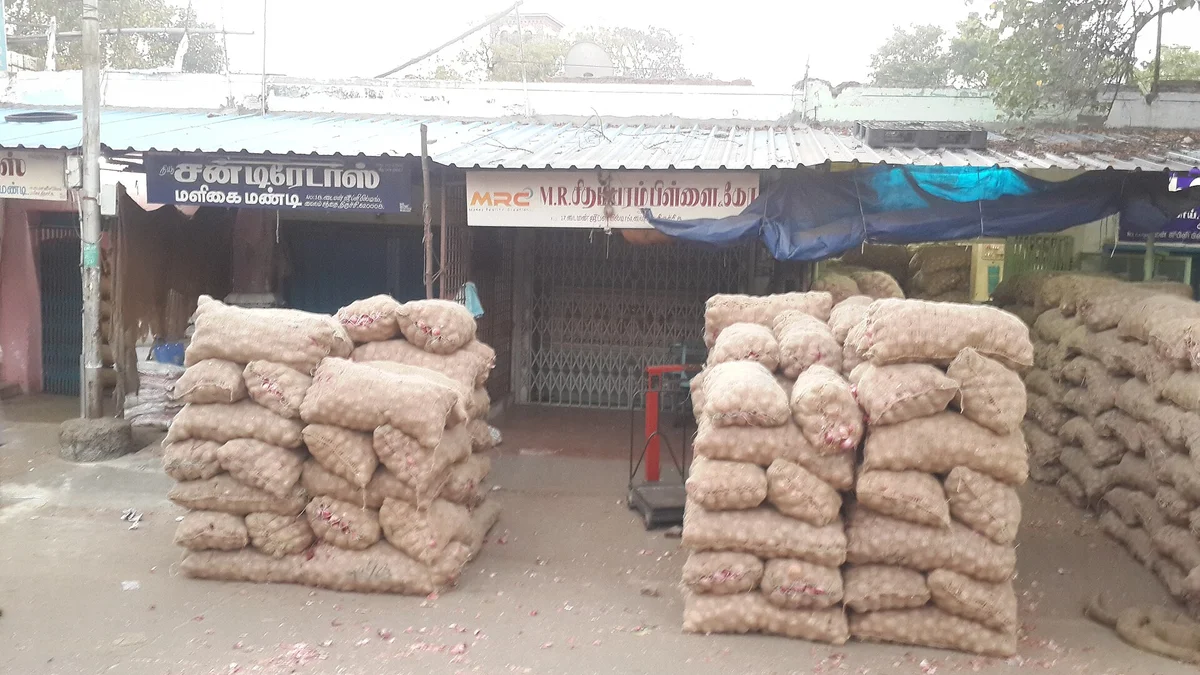
Every retail price is a relay race, and the baton is margin. The grower sells at the farm gate; an aggregator moves volume to the wholesale yard; the auction discovers a day price; and retailers carry the last leg to your lane, adding the costs of smallness — time, wastage, credit.
The auction is the chain's honest heart. Open bidding among buyers who all see the same lots keeps the day price real; the blackboard rate that results is the reference every subsequent argument quotes.
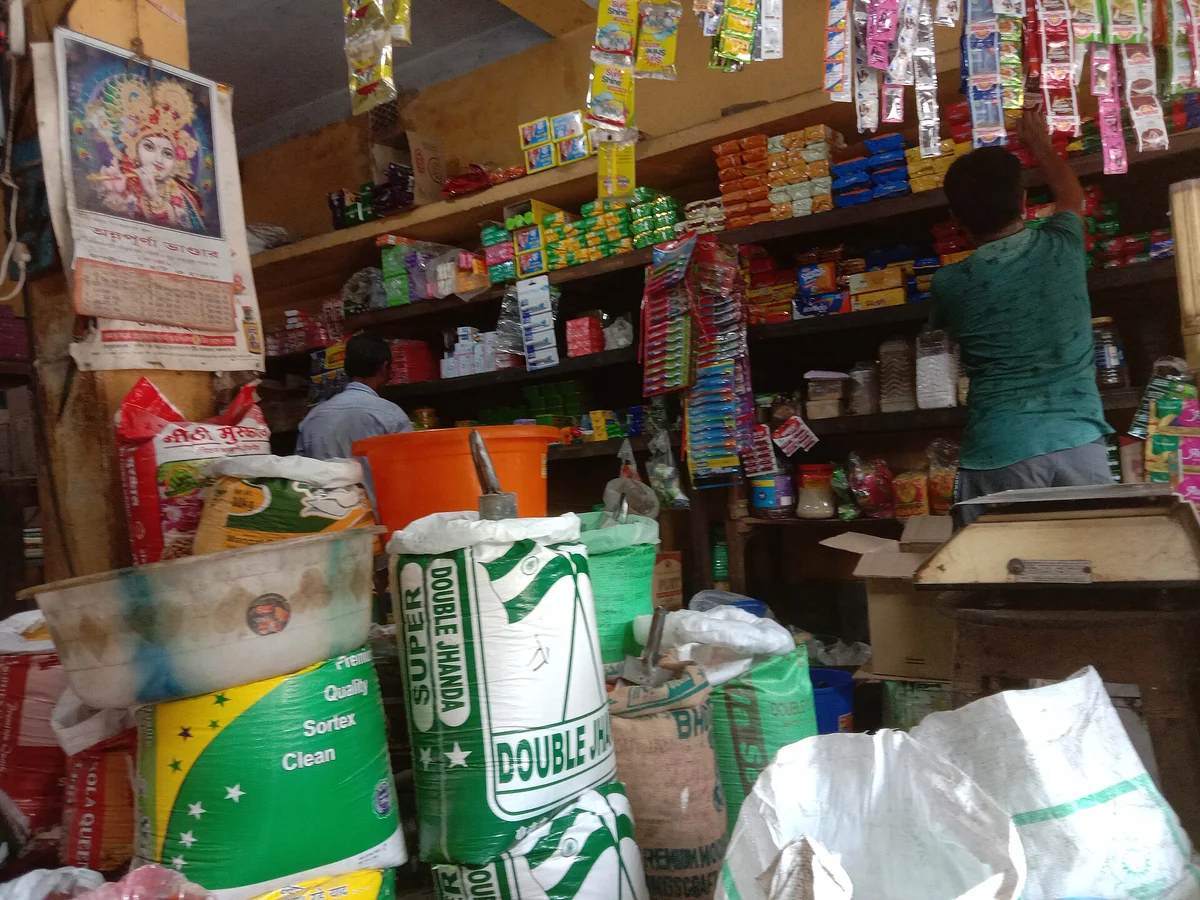
Where the maths gets misunderstood is wastage and finance. A retailer buying a quintal will lose a slice to spoilage and sell part on credit — costs invisible in the mandi rate but present in the lane price. The gap between the two is not all profit; it is mostly friction.
The practical takeaways are homely. Prices dip when arrivals peak in season; evening markets discount what morning markets priced; and the vendor who knows you carries you through a costly week better than any app. The chain, in the end, still runs on relationships with a weighing scale between them.
Reader Comments
Comments are reviewed by our desk before they appear. Sign in with your mobile number to join the discussion.